
By 2026, K-pop is no longer just a music genre — it is a global cultural ecosystem shaping fashion, technology, social media, and entertainment worldwide. What began as a regional phenomenon has evolved into one of the most influential forces in modern pop culture, redefining how music is produced, consumed, and experienced.
A Fully Global Industry
K-pop in 2026 speaks every language. While Korean remains at its core, multilingual releases in English, Spanish, and Japanese are now standard. Groups actively collaborate with Western and Latin artists, blurring borders and expanding fan bases across continents. Acts like BTS, BLACKPINK, and Stray Kids paved the way, transforming K-pop into a truly global industry rather than a niche export.
Technology at the Center
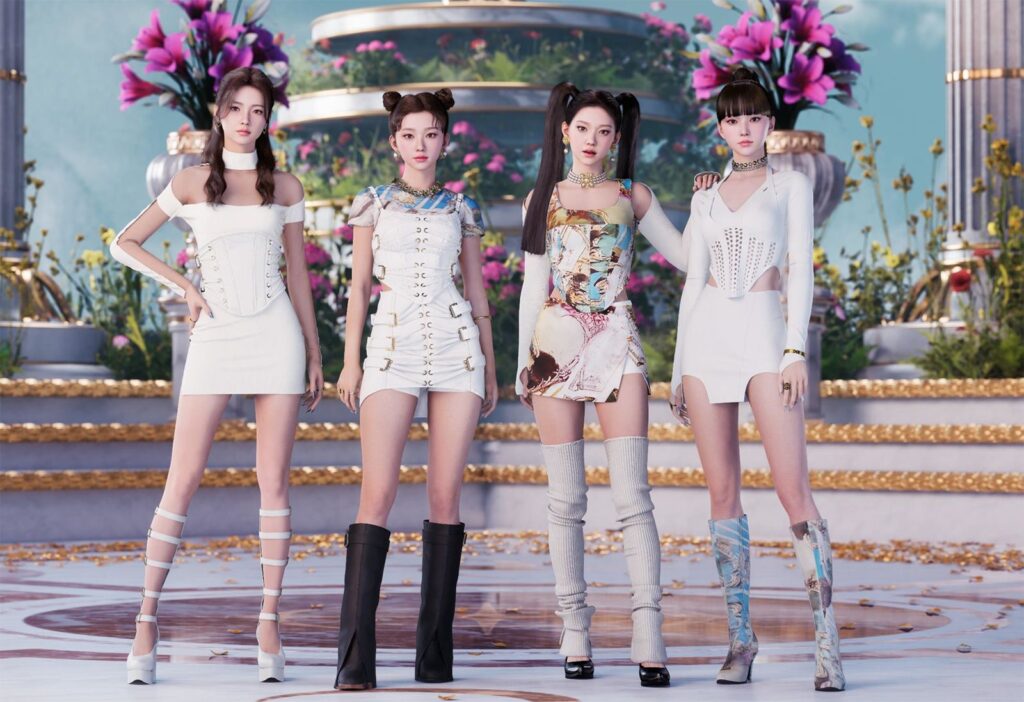
Technology defines K-pop’s evolution in 2026. Artificial intelligence supports songwriting, choreography analysis, and even personalized fan content. Virtual idols and AI-enhanced performances coexist with traditional groups, while augmented reality concerts allow fans to attend shows from anywhere in the world. Platforms like HYBE and SM Entertainment are investing heavily in immersive digital experiences, turning concerts into cinematic events.
Social Media and Fan Power
K-pop fandoms remain among the most powerful online communities in the world. TikTok, YouTube Shorts, and live streaming platforms are now essential tools for breaking new releases. Fans don’t just consume content — they promote, translate, and defend their favorite artists globally. This direct relationship between idols and fans has become the gold standard for the entire music industry.
Fashion, Identity, and Influence
In 2026, K-pop idols are global fashion icons. Luxury brands routinely debut collections through K-pop ambassadors, while streetwear trends born in Seoul dominate international runways. Beyond aesthetics, K-pop continues to influence conversations around identity, self-expression, and inclusivity, especially among younger generations.
What Comes Next
K-pop’s future is not about replacing Western pop — it’s about coexisting and leading innovation. As the industry continues to merge music, technology, and storytelling, K-pop stands as the most advanced entertainment model in the world. In 2026, K-pop isn’t following trends. It’s creating them.
Informazioni sull'autore